Hey there! I’m a supplier of Containerized Energy Storage Systems, and today I want to chat about the security risks associated with these systems. Containerized Energy Storage Systems
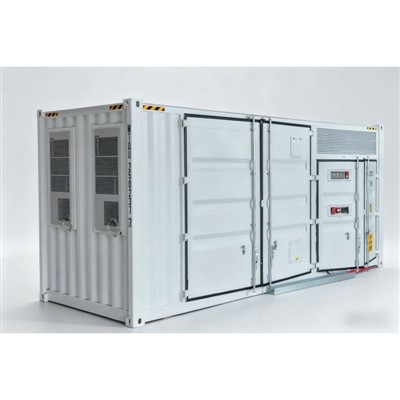
Let’s start off by understanding what containerized energy storage systems are. They’re basically energy storage solutions that are housed in shipping – container – like structures. These systems are super convenient because they can be easily transported and deployed in various locations, whether it’s for industrial use, grid – scale applications, or even in remote areas.
Physical Security Risks
One of the first security risks we need to talk about is physical security. These containers are often located in open areas, and they can be vulnerable to theft. Think about it – the batteries and other components inside these containers are valuable. Thieves might target them to sell the parts on the black market.
For example, if a container is placed in a remote construction site, there might not be a lot of security personnel around. A group of thieves could come in, break into the container, and make off with the batteries. This not only results in a financial loss for the owner but also disrupts the energy storage operation.
Another physical risk is damage from natural disasters. Hurricanes, floods, and earthquakes can all pose a threat to these containers. A strong hurricane could knock over the container, damaging the internal components. Floods can submerge the container, short – circuiting the electrical systems. And earthquakes can cause structural damage to the container, making it unsafe to operate.
We’ve seen cases where containers in flood – prone areas have been severely damaged. The water seeps into the container, corroding the batteries and other electrical parts. Once that happens, the whole system becomes useless, and it can cost a fortune to repair or replace.
Cybersecurity Risks
In today’s digital age, cybersecurity is a major concern for containerized energy storage systems. These systems are often connected to the internet or other networks to manage and monitor the energy storage. This connectivity makes them a target for cyberattacks.
Hackers could try to gain unauthorized access to the system. They might want to steal sensitive data, such as the energy consumption patterns or the battery management system settings. Once they have this information, they could use it for malicious purposes, like disrupting the energy supply or selling the data to competitors.
For instance, a hacker could break into the system and change the charging and discharging settings of the batteries. This could lead to overcharging or undercharging, which not only reduces the lifespan of the batteries but also poses a safety risk. Overcharging can cause the batteries to overheat and potentially catch fire.
Another cyber threat is the possibility of a Distributed Denial – of – Service (DDoS) attack. In a DDoS attack, the hacker floods the system with a large number of requests, overwhelming the servers and making the system unavailable. This can disrupt the energy storage operation and cause significant downtime.
Chemical and Fire Risks
The batteries used in containerized energy storage systems often contain chemicals that can be hazardous. Lithium – ion batteries, which are commonly used, can be particularly dangerous if not properly managed.
If the battery management system malfunctions, it could lead to thermal runaway. Thermal runaway is a situation where the battery overheats, and the chemical reactions inside the battery accelerate, causing a chain reaction that can result in a fire or explosion.
We’ve heard about incidents where lithium – ion batteries in energy storage containers have caught fire. These fires can be extremely difficult to extinguish because of the chemicals involved. They can also release toxic fumes, which are harmful to the environment and human health.
Mitigating the Risks
Now that we’ve talked about the risks, let’s discuss how we can mitigate them.
For physical security, we can install security cameras around the containers. These cameras can monitor the area 24/7 and alert the security personnel if any suspicious activity is detected. We can also use access control systems, such as key cards or biometric scanners, to restrict access to the containers.
To protect against natural disasters, we can choose suitable locations for the containers. For example, we can avoid flood – prone areas or areas with high seismic activity. We can also reinforce the containers to make them more resistant to strong winds and earthquakes.
In terms of cybersecurity, we need to implement strong security measures. This includes using firewalls to block unauthorized access, encrypting the data to protect it from being intercepted, and regularly updating the software to patch any security vulnerabilities.
To prevent chemical and fire risks, we need to have a proper battery management system in place. This system should monitor the battery temperature, voltage, and other parameters to ensure that the batteries are operating within a safe range. We should also have fire suppression systems installed in the containers to quickly extinguish any fires.
Conclusion
Containerized energy storage systems are a great solution for storing energy, but they come with their fair share of security risks. As a supplier, I understand the importance of addressing these risks to ensure the safety and reliability of our systems.
If you’re in the market for a containerized energy storage system, it’s crucial to choose a supplier who takes security seriously. We at [Your Company] are committed to providing high – quality, secure energy storage solutions. We’ve implemented all the necessary security measures to protect our systems from physical, cyber, and chemical risks.
TUV Solar Cable If you’re interested in learning more about our containerized energy storage systems or want to discuss a potential purchase, don’t hesitate to reach out. We’d be more than happy to have a chat with you and help you find the right solution for your energy storage needs.
References
- "Energy Storage System Security: Challenges and Solutions" – Journal of Energy Security
- "Cybersecurity in the Energy Sector" – International Energy Agency
- "Battery Safety in Energy Storage Systems" – National Renewable Energy Laboratory
Tianjin Xilingke New Energy Technology Co., Ltd.
As one of the most professional containerized energy storage systems manufacturers and suppliers in China, we’re featured by quality products and low price. Please rest assured to wholesale durable containerized energy storage systems made in China here from our factory. For quotation, contact us now.
Address: Suite 2601, Tower B, Wanghai International, Haihe East Road, Hebei District, Tianjin, China.
E-mail: robin@sinelinkev.com
WebSite: https://www.sinelinkenergy.com/
