Hey there! I’m a supplier of plain woven fabric, and I’ve been in this business for quite a while. Over the years, I’ve seen a growing interest in recycling, and I think it’s high time we talk about how to recycle plain woven fabric. Plain Woven Fabric

First off, let’s understand why recycling plain woven fabric is so important. The textile industry is one of the biggest polluters in the world. A huge amount of fabric waste is generated every year, and a lot of it ends up in landfills. By recycling plain woven fabric, we can reduce waste, save resources, and cut down on the environmental impact of the textile industry.
So, how do we actually recycle plain woven fabric? Well, there are a few different methods, and I’ll break them down for you.
Mechanical Recycling
One of the most common ways to recycle plain woven fabric is through mechanical recycling. This process involves breaking down the fabric into smaller pieces and then re – spinning them into new yarn.
The first step is to collect the fabric. As a supplier, I often have leftover fabric from production runs or customer returns. These pieces can be a great source for recycling. Once the fabric is collected, it’s sorted by color and fiber type. This is important because different fibers have different properties, and sorting them helps ensure a higher – quality recycled product.
After sorting, the fabric is shredded into small pieces. These pieces are then carded, which means they’re combed to align the fibers. Once the fibers are aligned, they can be spun into new yarn. This new yarn can then be used to make a variety of products, like new plain woven fabric, non – woven fabrics, or even insulation materials.
Chemical Recycling
Chemical recycling is another option for recycling plain woven fabric. This method is a bit more complex than mechanical recycling, but it can be more effective in some cases.
In chemical recycling, the fabric is treated with chemicals to break down the polymer chains in the fibers. This process can turn the fabric back into its original raw materials, which can then be used to make new fibers. For example, if the plain woven fabric is made of polyester, chemical recycling can break down the polyester into its monomers, which can then be used to make new polyester fibers.
The advantage of chemical recycling is that it can produce high – quality recycled fibers that are very similar to the original fibers. However, it requires more advanced technology and is often more expensive than mechanical recycling.
Upcycling
Upcycling is a creative way to recycle plain woven fabric. Instead of breaking the fabric down into its raw materials, upcycling involves using the fabric in its existing form to create new products.
As a supplier, I’ve seen some really cool upcycling projects. For example, old plain woven fabric can be turned into tote bags, pillow covers, or even wall hangings. Upcycling not only reduces waste but also adds value to the fabric. It’s a great way to give new life to old fabric and create unique, one – of – a – kind products.
Challenges in Recycling Plain Woven Fabric
Of course, recycling plain woven fabric isn’t without its challenges. One of the biggest challenges is the collection and sorting process. It can be difficult to collect a large amount of fabric, especially if it’s coming from different sources. And sorting the fabric by color and fiber type can be time – consuming and labor – intensive.
Another challenge is the quality of the recycled product. In some cases, the recycled fabric may not be as strong or durable as the original fabric. This can limit its use in certain applications.
Tips for Recycling Plain Woven Fabric
If you’re interested in recycling plain woven fabric, here are a few tips:
- Start small: If you’re new to recycling, start with a small project. You can collect a few pieces of fabric and try upcycling them into something simple, like a coaster or a bookmark.
- Join a recycling program: There are many recycling programs out there that accept fabric. Look for local programs or online platforms that can help you recycle your fabric.
- Educate others: Spread the word about the importance of recycling plain woven fabric. Encourage your friends, family, and customers to get involved in recycling.
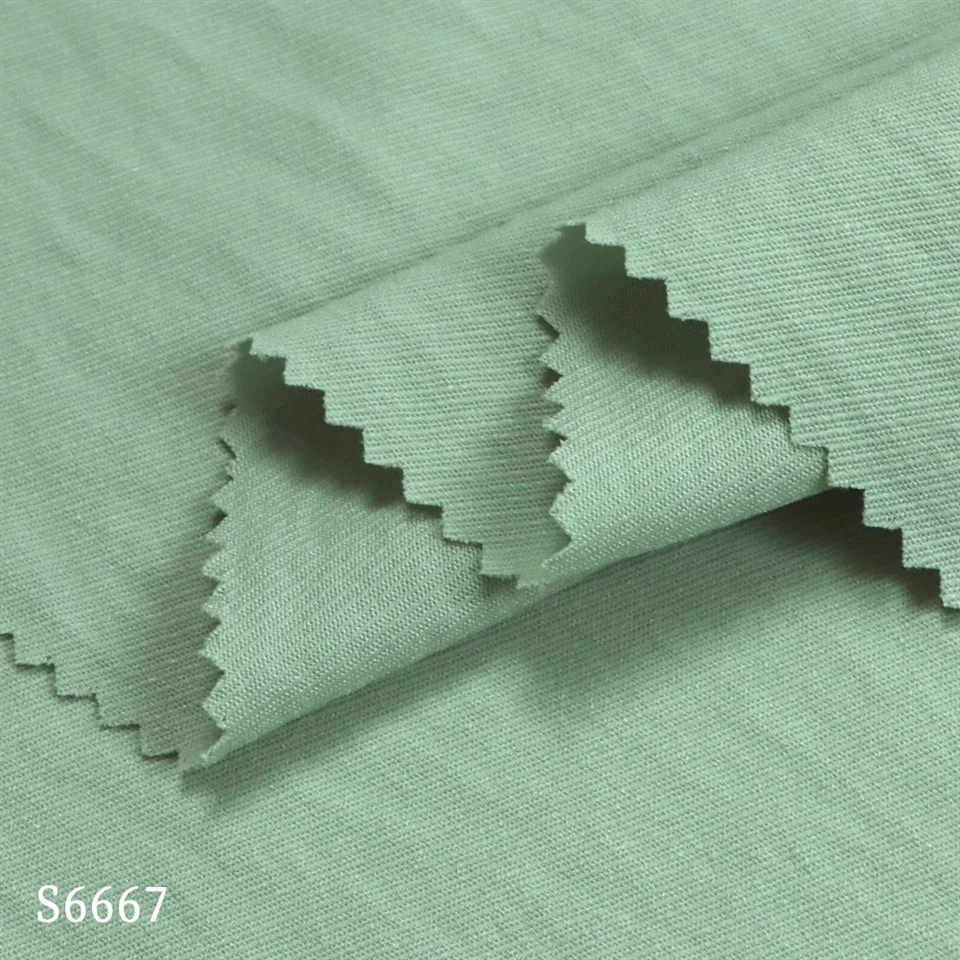
As a plain woven fabric supplier, I’m committed to promoting sustainable practices. I believe that by recycling our fabric, we can make a positive impact on the environment and create a more sustainable future.
Jacqurard Woven Fabric If you’re interested in purchasing plain woven fabric or have any questions about recycling, I’d love to hear from you. Whether you’re a small business looking for high – quality fabric or a large manufacturer in need of bulk supplies, I’m here to help. Let’s work together to make the textile industry more sustainable and create a better world for all of us.
References
- "Textile Recycling: A Review of Current Technologies and Future Trends" – Journal of Textile Science and Engineering
- "Sustainable Textile Production and Consumption" – United Nations Environment Programme
- "Upcycling Textiles: Transforming Waste into Value" – Textile World Magazine
Shaoxing Huichao Textile Co., Ltd.
As one of the most professional plain woven fabric manufacturers and suppliers in China, we offer a wide range of products with superior quality. We warmly welcome you to wholesale bulk plain woven fabric in stock here from our factory. If you have any enquiry about cooperation, please feel free to email us.
Address: Shenyue International Build ing, Unit 1603-1605, Keqiao District, Shaoxing City, Zhejiang Province, China
E-mail: darrenzhong@huichaotextile.com
WebSite: https://www.huichaotextile.com/
