Can non – magnetic tools for oil be used in oil sludge treatment?
As a supplier of non – magnetic tools for the oil industry, I’ve often been asked about the potential applications of our products in various oil – related processes. One such question that frequently comes up is whether non – magnetic tools for oil can be effectively used in oil sludge treatment. In this blog post, I’ll explore this topic in depth, looking at the nature of oil sludge, the characteristics of non – magnetic tools, and the potential benefits and challenges of using these tools in sludge treatment. Non-Magnetic Tools for Oil

Understanding Oil Sludge
Oil sludge is a complex mixture of various hydrocarbons, water, solids, and sometimes heavy metals. It is typically generated during the production, refining, and storage of oil. The composition of oil sludge can vary significantly depending on its source. For example, sludge from oil storage tanks may contain more sediment and water, while sludge from refineries may have a higher concentration of heavy hydrocarbons and chemical additives.
The treatment of oil sludge is a critical environmental and economic challenge. On one hand, improper disposal of oil sludge can lead to soil and water pollution, causing long – term damage to the ecosystem. On the other hand, oil sludge still contains a significant amount of recoverable oil, and effective treatment can not only reduce environmental pollution but also recover valuable resources.
Characteristics of Non – Magnetic Tools for Oil
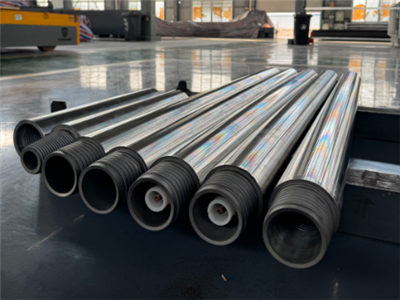
Non – magnetic tools for the oil industry are designed to meet specific operational requirements. These tools are typically made from materials such as non – magnetic steel, which has excellent corrosion resistance, high strength, and non – magnetic properties. The non – magnetic nature of these tools is crucial in certain oilfield operations, especially in environments where magnetic interference can affect the accuracy of measurement equipment or cause safety hazards.
Non – magnetic tools are often used in downhole operations, such as drilling, well completion, and workover. They can be used to handle magnetic – sensitive components, prevent magnetic interference with logging tools, and ensure the safety of operations in areas with high – intensity magnetic fields.
Potential Benefits of Using Non – Magnetic Tools in Oil Sludge Treatment
- Corrosion Resistance
- Oil sludge is often highly corrosive due to the presence of acids, salts, and other chemicals. Non – magnetic tools made from corrosion – resistant materials can withstand the harsh chemical environment of oil sludge, ensuring a long service life. This reduces the need for frequent tool replacement, which can be costly and time – consuming.
- Safety in Magnetic – Sensitive Environments
- In some oil sludge treatment facilities, there may be magnetic sensors or other equipment used for monitoring and control. Non – magnetic tools can be used without causing magnetic interference, ensuring the normal operation of these magnetic – sensitive devices. This is particularly important in automated treatment processes where accurate sensor readings are essential for process control.
- Handling of Magnetic – Containing Solids
- Oil sludge may contain magnetic solids such as iron oxides. Non – magnetic tools can be used to handle these solids without the risk of attracting and accumulating magnetic particles. This helps to maintain the cleanliness of the tools and prevent the formation of magnetic clumps that could interfere with the treatment process.
- Precision in Separation Processes
- Many oil sludge treatment processes involve separation techniques such as centrifugation, filtration, and sedimentation. Non – magnetic tools can be used in these processes to ensure accurate and efficient separation. For example, non – magnetic scrapers or agitators can be used to prevent magnetic interference with the separation equipment, improving the quality of the separation.
Challenges of Using Non – Magnetic Tools in Oil Sludge Treatment
- Cost
- Non – magnetic materials are generally more expensive than traditional magnetic materials. The higher cost of non – magnetic tools may be a deterrent for some oil sludge treatment facilities, especially those with limited budgets. However, it’s important to consider the long – term benefits, such as reduced maintenance costs and improved process efficiency, when evaluating the cost – effectiveness of these tools.
- Availability of Specialized Tools
- The design and production of non – magnetic tools for oil sludge treatment may require specialized knowledge and manufacturing capabilities. Not all tool suppliers may be able to provide the specific tools needed for sludge treatment. This can make it challenging for treatment facilities to find suitable non – magnetic tools in a timely manner.
- Compatibility with Existing Equipment
- Integrating non – magnetic tools into existing oil sludge treatment equipment may require some modifications. Ensuring the compatibility of non – magnetic tools with the existing process flow and equipment can be a technical challenge. It may involve additional engineering work and testing to ensure that the new tools do not disrupt the normal operation of the treatment system.
Case Studies
Although there is limited public information on the large – scale use of non – magnetic tools in oil sludge treatment, some small – scale experiments and case studies have shown promising results. For example, a small oil refinery in the Middle East used non – magnetic scrapers in its oil sludge sedimentation tanks. The non – magnetic scrapers were able to effectively remove the sediment from the tank bottom without attracting magnetic particles, improving the overall efficiency of the sedimentation process.
In another case, a research institution in Europe conducted a laboratory – scale experiment on oil sludge separation using non – magnetic agitators. The results showed that the non – magnetic agitators could provide more uniform agitation without causing magnetic interference, leading to better separation of oil, water, and solids.
Conclusion
In conclusion, non – magnetic tools for oil have the potential to be effectively used in oil sludge treatment. Their corrosion resistance, safety in magnetic – sensitive environments, and ability to handle magnetic – containing solids make them suitable for various aspects of the treatment process. However, challenges such as cost, availability, and compatibility with existing equipment need to be addressed.
As a supplier of non – magnetic tools for the oil industry, we are committed to developing and providing high – quality non – magnetic tools that can meet the specific needs of oil sludge treatment facilities. Our team of engineers and experts can work with you to understand your requirements and provide customized solutions.
Non-Magnetic Tools for Coal If you are interested in exploring the use of non – magnetic tools in your oil sludge treatment process, I encourage you to contact us for a consultation. We can discuss your specific situation, provide product information, and help you evaluate the feasibility and cost – effectiveness of using our non – magnetic tools. Let’s work together to find the best solutions for your oil sludge treatment challenges.
References
- "Oil Sludge Management: A Comprehensive Review" by X. Zhao, Y. Li et al., Journal of Hazardous Materials, 2019.
- "Non – Magnetic Materials for Oilfield Applications" by P. Smith, International Journal of Oil and Gas Engineering, 2018.
- "Advanced Separation Techniques for Oil Sludge Treatment" by M. Chen, G. Wang, Journal of Environmental Science and Technology, 2020.
Shanxi Zhonghe Non-Magnetic Drill Tool Co., Ltd.
As one of the most professional non-magnetic tools for oil manufacturers and suppliers in China, we also support customized service. With abundant experience, we warmly welcome you to buy high quality non-magnetic tools for oil for sale here from our factory. Contact us for more details.
Address: No.168 Fenglei Street, Houma City, Linfen City, Shanxi Province, China.
E-mail: lucy@nmdrillcollar.com
WebSite: https://www.zhnmdc.com/
