As a supplier of halogenated hydrocarbons, I’ve had the privilege of witnessing the diverse applications of these compounds across multiple industries. From their use as solvents in chemical processing to their role in refrigeration systems, halogenated hydrocarbons have become an integral part of modern industrial operations. However, in recent years, there has been a growing concern about the potential health effects of these compounds, particularly on the kidneys. In this blog, I’ll delve into the scientific research behind the impacts of halogenated hydrocarbons on renal health, and share some insights on how we, as suppliers, can play a role in promoting safe handling and usage of these substances. Halogenated Hydrocarbons
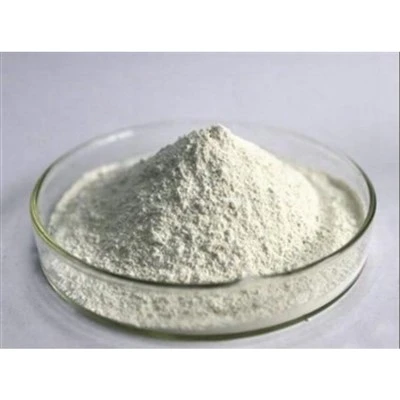
Understanding Halogenated Hydrocarbons
Halogenated hydrocarbons are organic compounds that contain at least one halogen atom (fluorine, chlorine, bromine, or iodine) bonded to a carbon atom. The most well – known examples of halogenated hydrocarbons include chlorofluorocarbons (CFCs), hydrochlorofluorocarbons (HCFCs), hydrofluorocarbons (HFCs), and perfluorinated compounds (PFCs). These substances possess unique chemical properties such as high stability, low flammability, and good solvency, which make them extremely useful in industrial, commercial, and consumer applications.
How Halogenated Hydrocarbons Reach the Kidneys
The kidneys play a crucial role in filtering waste products and regulating the body’s fluid and electrolyte balance. When halogenated hydrocarbons enter the body, they can be distributed via the bloodstream to various organs, including the kidneys. Exposure to these compounds can occur through multiple routes, such as inhalation in industrial settings where halogenated hydrocarbons are used as solvents or refrigerants, ingestion of contaminated water or food, and dermal contact during handling.
Renal Toxicity of Halogenated Hydrocarbons
Acute Effects
Acute exposure to high levels of certain halogenated hydrocarbons can cause immediate damage to the kidneys. For instance, some chlorinated solvents, when inhaled or ingested in large amounts, can lead to a condition known as acute tubular necrosis. This occurs when the tubular cells in the kidneys are directly damaged, resulting in impaired kidney function. Symptoms of acute kidney injury due to halogenated hydrocarbon exposure may include decreased urine output, fluid retention, and electrolyte imbalances.
Laboratory studies on animals have provided valuable insights into the mechanisms of acute renal toxicity. For example, when rodents were exposed to high doses of trichloroethylene (TCE), a widely used chlorinated solvent, significant changes were observed in the renal tubular structure and function. These changes were associated with oxidative stress, lipid peroxidation, and inflammatory responses within the kidney tissue.
Chronic Effects
Chronic exposure to lower levels of halogenated hydrocarbons can also have long – term consequences for renal health. Some perfluorinated compounds, such as perfluorooctanoic acid (PFOA) and perfluorooctane sulfonate (PFOS), have been linked to an increased risk of developing chronic kidney disease. These compounds have a long half – life in the body and can accumulate in the kidneys over time.
Epidemiological studies have shown a positive association between environmental exposure to PFOA and PFOS and adverse renal outcomes. In communities with contaminated water sources, individuals with higher levels of these perfluorinated compounds in their blood had a greater likelihood of experiencing reduced kidney function, increased blood pressure, and proteinuria (the presence of protein in the urine).
Mechanisms of Renal Damage
The mechanisms by which halogenated hydrocarbons cause kidney damage are complex and multi – faceted. One of the primary mechanisms is oxidative stress. Halogenated hydrocarbons can generate reactive oxygen species (ROS) in the kidney cells. These ROS can damage cellular components such as DNA, proteins, and lipids, leading to cell death and tissue injury.
In addition, halogenated hydrocarbons can disrupt normal cellular signaling pathways. They may interfere with the function of transporters and enzymes in the renal tubules, which are essential for the reabsorption and secretion of various substances. For example, some halogenated compounds can inhibit the activity of organic anion transporters, which are responsible for the excretion of waste products and xenobiotics from the kidneys.
Role of Metabolism
The metabolism of halogenated hydrocarbons in the body can also contribute to their renal toxicity. Some halogenated compounds are metabolized in the liver to produce reactive intermediates. These intermediates can then be transported to the kidneys, where they can cause direct damage to the renal cells. For example, TCE is metabolized to trichloroacetic acid and dichloroacetic acid, which can accumulate in the kidneys and cause cellular damage.
Mitigating the Risks
As a supplier of halogenated hydrocarbons, we have a responsibility to ensure the safe use of these compounds. One of the key steps is to provide comprehensive safety information to our customers. This includes proper handling procedures, storage guidelines, and personal protective equipment (PPE) recommendations.
We also encourage our customers to implement risk management strategies in their workplaces. This may involve conducting regular air quality monitoring in industrial settings to detect any potential leaks or emissions of halogenated hydrocarbons. In addition, workers should be trained on the proper use of PPE and emergency response procedures in case of accidental exposure.
Furthermore, research and development efforts are underway to find alternative compounds that have similar properties but lower toxicity. As a supplier, we are committed to staying at the forefront of these advancements and providing our customers with access to safer alternatives when available.
Conclusion
Halogenated hydrocarbons have a wide range of industrial applications, but their potential impact on renal health cannot be ignored. Acute and chronic exposure to these compounds can lead to significant kidney damage through various mechanisms such as oxidative stress, disruption of cellular signaling, and the formation of reactive metabolites.
As a supplier in this industry, we are dedicated to promoting the safe use of halogenated hydrocarbons. By providing proper safety information, encouraging risk management, and exploring alternative solutions, we aim to minimize the potential harm to human health.
Initiators If you are looking for high – quality halogenated hydrocarbons for your industrial or commercial needs, I invite you to contact us for a detailed discussion. We can provide you with the best products and guidance on their safe handling. Let’s work together to ensure both productivity and safety.
References
- Ghosheh, N. S., & Hawari, J. (2002). Mechanisms of hepatotoxicity and nephrotoxicity of trichloroethylene. Toxicology, 177(1 – 3), 1 – 16.
- Grandjean, P., & Landrigan, P. J. (2006). Developmental neurotoxicity of industrial chemicals. The Lancet, 368(9553), 2167 – 2178.
- Olsen, G. W., Burris, J. M., Mandel, J. H., Zobel, L. R., & McKinney, J. D. (2007). Kidney disease prevalence and perfluorooctane sulfonate (PFOS) and perfluorooctanoate (PFOA) exposure in the general U.S. Population. Environmental health perspectives, 115(12), 1817 – 1822.
Shandong Xima Supply Chain Management Co., Ltd.
As one of the most professional halogenated hydrocarbons manufacturers in China, we offer a wide range of products with superior quality. Please feel free to buy bulk halogenated hydrocarbons in stock here and get free sample from our factory. We also accept customized orders.
Address: No. 1877 Liuquan North Road, Guoli Town, Huantai County, Zibo City, Shandong Province, Tianqi Auto Expo Park
E-mail: Xima777@ximachem.com
WebSite: https://www.ximachemical.com/
