If you’ve ever walked through a metal fabrication shop or a construction supply yard, you’ve probably run into copper plates: thick, rigid sheets of copper used for everything from electrical busbars and plumbing components to architectural roofing and industrial machinery parts. As a copper plate supplier with over a decade in the business, I’ve seen firsthand how even the highest quality raw copper can go to waste because of poor storage. Last year alone, my team had to write off over 12,000 pounds of grade C110 copper plates because a client stored them incorrectly in a damp warehouse, leading to heavy pitting and oxidation that made them unusable. That’s not just a loss for the customer—it’s a loss for everyone involved, and it’s why I’m writing this today: to break down exactly how to store copper plates properly, so you can protect your investment and keep your copper parts performing for years, not months. Copper Plate

First, let’s get one thing straight: copper is not a "set-it-and-forget-it" metal. It’s durable, yes, but it’s reactive. When exposed to oxygen, moisture, even certain chemicals, it changes over time—sometimes in ways that damage its structure or value. A lot of people think copper’s patina (that characteristic greenish layer you see on old statues or pennies) is just a cosmetic thing, and in some cases it is. But if that patina forms unevenly or too quickly, or if it’s mixed with other types of corrosion, it can compromise the plate’s strength, conductivity, or weldability—three things that matter most for industrial and architectural copper uses. So the first rule of copper plate storage is to control the three main things that trigger unwanted corrosion: moisture, contaminants, and physical damage.
Let’s start with the most critical factor: moisture. Copper’s biggest enemy is water—especially standing water or high humidity. I once delivered a batch of precision copper plates to a local fabrication shop that had a leaky roof in their storage bay. The client stacked the plates directly on the concrete floor, and within three weeks, the bottom two layers had developed black spot corrosion that ate through the surface. Even ambient humidity can cause problems: levels over 60% create a thin layer of water vapor on the copper’s surface, which reacts with oxygen and carbon dioxide to form copper carbonate, the start of unwanted patina. So the first step to preventing moisture damage is raising your storage space. Never place copper plates directly on concrete or bare flooring. Concrete is porous, and it wicks up moisture from the ground, even if you can’t see a puddle. Instead, invest in heavy-duty, non-reactive pallets—plastic or wood pallets that are heat-treated to avoid releasing excess moisture. Avoid pressure-treated wood, though, because the chemicals in the treatment can leach onto the copper and cause discoloration or corrosion over time. For indoor storage, you’ll also want to make sure the space is climate-controlled, if possible, with humidity levels kept between 30% and 50%. If you don’t have a dehumidifier, a simple trick I recommend to many of my regular clients is placing small containers of silica gel (the kind you get in shoe boxes or electronics packaging) around the stacks of copper plates. Silica gel absorbs excess moisture from the air, and you can re-charge it by baking it at 250°F for a few hours if it gets saturated. Just make sure you label the containers clearly so no one accidentally dumps them onto the copper.
Next, controlling contaminants. Copper is also susceptible to damage from other metals, chemicals, and even dust. If you store copper plates near steel, iron, or brass parts, those metals can rust or corrode, and their byproducts will transfer onto the copper surface, triggering what’s called galvanic corrosion. Galvanic corrosion happens when two different metals are in contact in the presence of an electrolyte (like water or even humid air), creating a small electric current that eats away at the more reactive metal. In this case, iron is more reactive than copper, so the current will start breaking down the copper plate’s surface. I once had a customer who stored copper sheets next to a pile of rusted steel pipes, and within two months, the copper had developed brown, pitted spots exactly where it touched the steel. To avoid this, keep copper plates separated from other metals, especially ferrous metals (iron and steel). If you have to store them in the same bay, leave at least three feet of space between the stacks, and cover the copper with a breathable cover to block any falling rust or debris from the other metals. Dust is another contaminor that’s easy to overlook. Industrial dust often has tiny particles of silica, metal shavings, or chemical residues that can scratch copper’s surface and trap moisture, leading to localized corrosion. That’s why I always advise clients to keep copper plates covered when they’re not being handled. The right cover isn’t just any plastic sheet—plastic traps moisture, so it can make humidity levels worse. Instead, use a heavy, breathable poly-woven fabric or a polyethylene film that’s been treated to allow air circulation but block dust and moisture. If you’re storing copper plates outdoors (I know some customers don’t have enough indoor space), you’ll need an even heavier duty cover, and you’ll want to elevate the stacks even higher—at least a foot off the ground—on pallets to keep them away from damp soil and rain runoff.
Then there’s physical damage. Copper plates are rigid, but they’re not indestructible. Scratches, dents, and even slight bends can not only ruin their appearance for architectural uses, but also create weak points where corrosion can start. When stacking copper plates, it’s important to stack them evenly, with each plate perfectly aligned on the one below it. Never stack a thin copper plate on top of a thicker one, because the thinner plate can bend or warp under the weight. For large, heavy copper plates (anything over 4 feet by 8 feet or ¼ inch thick), you should use edge supports instead of flat stack supports. Edge supports are strips of wood or plastic that run along the sides of the plate, so the weight is distributed evenly along the edges, not across the flat surface where a dent would be more noticeable. I also recommend placing a thin layer of craft paper or acid-free interleaving paper between plates if you’re stacking more than five high. This paper creates a small barrier between the copper surfaces, preventing scratching and also absorbing any tiny amount of moisture that might be trapped between plates. Just make sure the paper is acid-free—regular printer paper or newspaper has acids that can react with copper over time, causing discoloration. Never use foam or bubble wrap, either, because plastic foam can leave sticky residue that’s hard to remove, and it can trap moisture between layers.
Handling copper plates properly before storage is almost as important as storage itself. A lot of damage happens when moving the plates into storage, not while they’re sitting there. When you receive a batch of copper plates, inspect each one immediately for scratches, dents, or existing corrosion before you put them away. If a plate already has minor surface discoloration, don’t panic—most light patina on uncoated copper plates is harmless, but if it’s black or uneven, you might need to clean it lightly before storage. To clean copper plates, use a mild, non-abrasive soap and warm water, then dry them completely with a lint-free cloth or let them air dry in a warm, low-humidity space for 24 hours. Never use harsh chemicals like bleach or ammonia to clean copper, because those can etch the surface and cause permanent damage. Also, always use proper lifting equipment when moving heavy copper plates—forklifts with soft, non-metallic forks or lifting straps that wrap around the edges of the plate. Never use metal hooks to lift copper plates, because they will scratch and dent the surface every time.
If you’re storing copper plates for a long period of time (more than six months), there are a few extra steps you can take to give them extra protection. One common method I recommend for long-term storage is applying a thin, removable protective coating. These coatings are designed to form a clear, breathable layer that blocks moisture and contaminants, and they can be easily peeled off or washed off when you’re ready to use the plate. I’ve worked with a few coating suppliers to test these products over the years, and the best ones for copper plates are water-based, solvent-free formulas that don’t leave a sticky residue. Just make sure you follow the application instructions carefully—apply the coating in a well-ventilated space, and let it cure completely before stacking the plates. Another option for long-term storage is to use desiccant bags specifically made for metal storage. These bags are filled with a moisture-absorbing material that’s safe for copper, and you can place one on top of each stack of plates, inside the cover, to keep humidity levels low even in less than ideal storage spaces.
Let’s also talk about common mistakes I see customers make all the time, because avoiding these small errors can make a huge difference. The first is waiting too long to store plates. Once copper plates are delivered, don’t leave them out in the open on the loading dock for days, even if you’re busy. Rain, morning dew, and dust can start damaging the surface in as little as 24 hours, especially if the humidity is high. The second mistake is not labeling stacks clearly. If you have multiple grades of copper plates, or plates of different thicknesses, writing the grade and dimensions on the side of the stack with a water-resistant marker will save you from rummaging through stacks every time you need a specific plate. The third mistake is not rotating stock. If you have copper plates stored for more than a year, it’s a good idea to rotate the oldest stock first—use the plates that have been in storage the longest before moving to newer ones. This prevents plates from sitting unused for years, which increases the risk of corrosion or damage from being stacked too long.
As a supplier, my goal isn’t just to sell you high-quality copper plates—it’s to make sure those plates work for you as long as you need them. I’ve had customers come to me after storing copper plates poorly, saying their plates were damaged and they had to re-order, which cost them time and money. That’s why I’ve made it a point to not just deliver good product, but to share this knowledge with anyone who needs it. If you have questions about specific copper plate storage needs for your project, or if you’re looking for a reliable supplier of grade C110, C122, or other copper plates tailored to your needs, I encourage you to reach out to our team to discuss your requirements. We can provide guidance on everything from storage best practices to selecting the right copper plate for your specific application, so you can avoid costly mistakes and keep your projects on track.
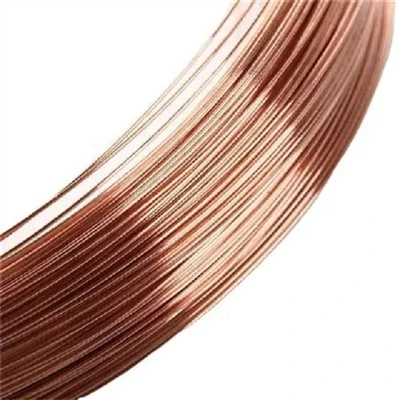
Copper Wire At the end of the day, storing copper plates properly is all about being proactive. It’s easy to overlook small details like humidity levels or separating plates from other metals, but those details are what prevent corrosion, damage, and waste. Over the years, I’ve seen that customers who follow these steps don’t just save money—they also get better performance out of their copper parts, whether they’re using them for electrical work, plumbing, or architectural features. Copper is a durable, versatile metal that can last for decades if cared for correctly, and good storage is the first step to making sure that happens.
References
- ASM International. (2005). Corrosion: Fundamentals, Testing, and Protection. ASM Handbook, Volume 13A.
- Copper Development Association. (2018). Storage and Handling of Copper and Copper Alloy Products. CDA Publication 108.
- National Association of Architectural Metal Manufacturers. (2020). Guidelines for the Installation and Maintenance of Copper Roofing and Cladding. NAAMM Standard 1-2020.
- Roberts, J. R. (2019). Galvanic Corrosion in Metal Assembly and Storage. Journal of Materials Engineering and Performance, 28(7), 4129-4137.
Gnee Steel (Tianjin) Co., Ltd.
Gnee Steel (Tianjin) Co., Ltd. is one of the leading copper plate manufacturers and suppliers in China. We warmly welcome you to buy discount copper plate for sale here from our factory. All our products are with high quality and competitive price. Contact us for more cheap products.
Address: No.4-1114, Beichen Building, Beicang Town, Beichen District, Tianjin, China
E-mail: sales@gneemetal.com
WebSite: https://www.chinacopperalloys.com/
