Hey folks, let’s cut to the chase—if you’ve ever wandered past a small farm or scrolled through ag tech forums, you’ve probably seen a random bag of white powder tucked next to the fertilizer or soil test kit. Odds are it’s hydrated lime powder. As someone who’s been supplying this stuff to farmers and ag operations for the past 8 years, I get a lot of questions: Is this just for construction? Can I actually toss this on my tomato rows or corn fields, or is it a waste of money? Let’s break this down, no fancy jargon, just the real deal from someone who deals with this powder on a daily basis. Hydrated Lime Powder

First, let’s get one basic fact straight: hydrated lime isn’t the same as garden lime, and that’s a big point of confusion for a lot of new growers. Garden lime is usually ground limestone—calcium carbonate that works super slowly, right? Hydrated lime (also called slaked lime, for the old heads who’ve been around) is made by adding water to quicklime (calcium oxide), so it’s a much finer, more reactive powder. That reactivity is key here, and it’s why my team and I don’t just sell this to concrete guys—we send tons of it to small-scale vegetable farmers and even some commercial row-crop operations every year.
Now, the big question: can it actually help in agriculture? Let’s start with the biggest use case I see every season—fixing acidic soil. I swear, half the calls I get are from farmers panicking because their soil pH is way too low, and they’ve tried regular garden lime with no luck, and their crops are suffering. Acidic soil (pH below 6.0, most veggies and grains like 6.0 to 7.0) is bad news for two main reasons: first, it locks up nutrients like phosphorus, calcium, and magnesium, so even if you dump fertilizer on your fields, the plants can’t absorb them. Second, it lets toxic stuff like aluminum and manganese leach into the root zone, which burns roots and stunts growth.
Hydrated lime jumps in fast here. Because it’s more reactive than garden lime, it doesn’t take months to adjust pH—we’re talking 2 to 4 weeks for visible changes, not 6 to 12. Last spring, a local organic tomato farmer hit me up because their soil pH was 5.2, and they were getting blossom end rot on almost 30% of their first crop. Blossom end rot is a total pain—those nice green tomatoes rot at the bottom before they ripen, and 9 times out of 10, it’s not even a lack of calcium—it’s acidic soil that’s making the calcium unavailabe. We sent him a load of our food-grade hydrated lime (super important—never use construction-grade hydrated lime on crops, it has extra additives) and by the time he transplanted his second round of seedlings, his soil was at 6.4, and blossom end rot dropped to less than 5%. That’s not a fluke; that’s how this stuff works for pH correction.
But wait, it’s not just pH. Another use I’ve seen blow up in the last few years is pest and weed control. Now, this isn’t some magic repellent that’ll kill every bug in sight, but it works for specific, stubborn issues. A lot of small fruit growers (strawberries, blueberries) call us because they’re dealing with slugs and snails. Those little bastards love moist, acidic soil, and they’ll chew through entire beds overnight. We’ve had farmers mix hydrated lime with a tiny bit of diatomaceous earth and dust a thin layer around their row edges, and it cuts slug damage by 60 to 70%. The lime dries out the slugs’ soft bodies, and since we’re only using a thin layer, it doesn’t mess with soil pH long-term. I’ve even had alfalfa farmers tell us they use it to control fungal diseases like powdery mildew and downy mildew on their crops. The lime creates an alkaline surface that spores can’t germinate on, so it works as a natural preventive when sprayed as a fine mist on leaves.
Wait, hold up—can you just dump as much as you want? No, and that’s the biggest mistake people make. I can’t tell you how many times I’ve had a farmer text me saying they added a whole bag of hydrated lime to their 10×10 garden, and now their soil is too alkaline (pH over 7.5), which is just as bad as acidic soil. Too high pH locks up nutrients like iron and manganese, and leaf yellowing starts almost immediately. The rule here is: always test your soil first. We recommend testing at least twice a year (spring and fall) to get an accurate baseline. For most vegetable gardens, you only need 20 to 30 pounds of hydrated lime per 1,000 square feet if your pH is 5.0 to 5.5, and you spread it evenly over the soil, then till it in right away—since it reacts fast, you don’t want it sitting on top, it needs to mix with the root zone. For row crops, we usually calculate it based on the soil’s CEC (cation exchange capacity)—but if you’re a small-scale grower, just start with a small amount and retest after a month, don’t overdo it.
Another thing to note: food-grade vs. non-food-grade hydrated lime is non-negotiable for agriculture. Construction-grade has impurities like magnesium carbonate, heavy metals, and even small amounts of asbestos sometimes (don’t Google that if you’re eating off your land). All the hydrated lime we supply is food-grade, tested regularly to meet FDA standards for food contact, so it’s safe for crops that’ll be eaten by humans or livestock. We also label every bag with application rates, which is helpful for new farmers who don’t have a clue where to start.
Wait, let’s talk about some underrated uses too. Livestock farmers call us all the time for barn cleaning. If you have a chicken coop, goat pen, or cattle shed, adding a thin layer of hydrated lime to the bedding or the floor after cleaning does two things: it neutralizes the acidic urine that causes ammonia smells, and it kills bacteria like E. coli and Salmonella that can make animals sick. A lot of farmers use regular lime for this, but hydrated lime works faster—you don’t have to wait days for the smell to go away, it’s gone in a day or two. It’s also cheaper than most commercial barn disinfectants, which is a big win for small livestock operations working on tight budgets.
And for compost piles? Yeah, that works too. Compost needs a pH of around 6.5 to 7.5 for beneficial bacteria to break down organic matter. If your compost is too acidic (which it often is if you added a lot of fruit scraps or coffee grounds), adding a small amount of hydrated lime (1 to 2 pounds per cubic yard of compost) speeds up the decomposition process, so you get finished compost in 2 to 3 months instead of 4 to 5. Just don’t overdo it—too alkaline compost won’t break down properly, and it can burn young plants when you use it as soil amendment.
Now, let’s address the counterpoints, because I’m not gonna sell you something that’s bad. First, it’s caustic. If you get it on your skin, it can cause irritation, and if it gets in your eyes, it’ll burn. That’s why we always tell people to wear gloves, goggles, and a face mask when handling it—especially when spraying it as a mist for fungal control. It’s not toxic if used correctly, but it’s still a strong chemical, so basic safety rules apply. Second, it’s not a one-size-fits-all. If your soil is already neutral or slightly alkaline (pH 6.5 to 7.0), you don’t need hydrated lime—stick with regular garden lime if you need to adjust anything, or just use organic matter like compost to keep pH stable. Using hydrated lime on already alkaline soil will do more harm than good.
I’ve been doing this long enough to see trends come and go, but hydrated lime for agriculture is not a fad. It’s a reliable, affordable tool for growers who want to fix soil issues, reduce pest and disease pressure, and cut down on chemical inputs. Last year, we supplied over 120 tons of food-grade hydrated lime to farmers across the Midwest and Southeast, and 90% of those customers re-ordered—they don’t just buy it once, because they see results. A lot of them used to use expensive soil amendments that take months to work, and now they save money and get faster results with our product.
If you’re a new grower just starting out, or an old hand looking to switch to more natural solutions, don’t sleep on hydrated lime. But again, do the soil test first, use the food-grade stuff, follow the application rates, and don’t overdo it. I’ve had so many farmers come to me after a bad experience with over-applying, and it’s almost always because they skipped the test or grabbed construction-grade powder by mistake.
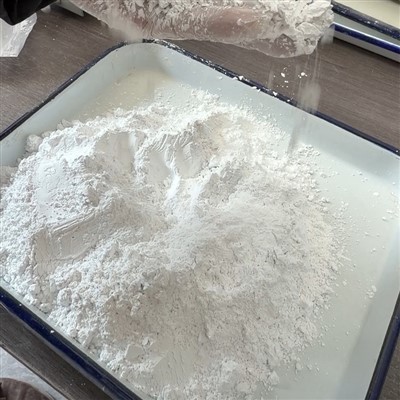
If you’re ready to give it a try, or you have questions about application rates, testing your soil, or how much you need for your specific setup, hit us up. We’re not just suppliers—we’re growers too, so we know exactly what you’re going through when your tomatoes get blossom end rot or your slugs eat your lettuce overnight. We can help you figure out the right amount, the best way to apply it, and make sure you get the right food-grade product that won’t mess up your crops or your soil. Don’t waste time and money on products that don’t deliver—hydrated lime works, as long as you use it right.
Calcium Carbonate Powder References:
- USDA Natural Resources Conservation Service. (2021). Soil pH Management for Agricultural Crops. U.S. Department of Agriculture.
- Food and Agriculture Organization of the United Nations. (2019). Use of Hydrated Lime in Small-Scale Agriculture. FAO Plant Production and Protection Division.
- University of California Agriculture and Natural Resources. (2020). Pest Control in Small Fruit Crops: Slug and Snail Management. UC ANR Publication 8227.
- American Society of Agronomy. (2018). Effects of Lime Type on Soil pH Nutrient Availability. Agronomy Journal, Vol. 110, No. 3.
Chaohu Jirun Energy Conservation and Environmental Protection Technology Co., Ltd.
We’re well-known as one of the leading hydrated lime powder manufacturers and suppliers in China, also support customized service. Welcome to wholesale high quality hydrated lime powder in stock here from our factory. If you have any enquiry about pricelist, please feel free to email us.
Address: No. 9, north of the intersection of Weihai Road and Weili Avenue, within the industrial park of Yinping Town, Chaohu City, Hefei City, Anhui Province.
E-mail: 13305654485@163.com
WebSite: https://www.chaohujirun.com/
