HNBR O-rings, made from Hydrogenated Nitrile Butadiene Rubber, are renowned for their excellent resistance to heat, oil, and chemicals, making them a popular choice in various industries such as automotive, aerospace, and oil & gas. However, like any other product, HNBR O-rings can encounter problems during their use. As a trusted HNBR O-ring supplier, I understand the importance of troubleshooting these issues effectively to ensure optimal performance and customer satisfaction. In this blog post, I will share some practical tips on how to troubleshoot problems with HNBR O-rings. HNBR O Ring
1. Leakage
One of the most common problems with HNBR O-rings is leakage. Leakage can occur due to several reasons, including improper installation, incorrect sizing, or damage to the O-ring.
Improper Installation
Improper installation is a leading cause of O-ring leakage. When installing an HNBR O-ring, it is crucial to ensure that it is properly seated in the groove. The O-ring should be lubricated before installation to reduce friction and prevent damage. Make sure that the O-ring is not twisted or kinked during installation, as this can cause gaps and lead to leakage.
Incorrect Sizing
Using the wrong size of O-ring can also result in leakage. It is essential to select the correct size of O-ring based on the application requirements. The O-ring should have the right cross-section diameter and inside diameter to fit the groove properly. If the O-ring is too small, it may not create a proper seal, while if it is too large, it may be difficult to install and can cause excessive compression, leading to premature failure.
Damage to the O-ring
Damage to the O-ring can occur during handling, installation, or use. Scratches, cuts, or tears in the O-ring can compromise its sealing ability and cause leakage. Inspect the O-ring carefully before installation to ensure that it is free from any damage. If you notice any damage, replace the O-ring immediately.
2. Compression Set
Compression set is another common problem with HNBR O-rings. Compression set refers to the permanent deformation of the O-ring after being compressed for an extended period. This can result in a loss of sealing ability and lead to leakage.
Temperature and Time
Compression set is influenced by several factors, including temperature and time. High temperatures can accelerate the compression set process, especially if the O-ring is exposed to elevated temperatures for an extended period. To minimize compression set, it is important to select an HNBR O-ring with a high temperature resistance rating and ensure that the operating temperature is within the recommended range.
Material Selection
The choice of material can also affect the compression set of HNBR O-rings. Different grades of HNBR have different compression set properties. When selecting an HNBR O-ring, consider the application requirements and choose a grade that offers low compression set and good resilience.
Compression Ratio
The compression ratio, which is the amount of compression applied to the O-ring, also plays a role in compression set. Over-compression can increase the likelihood of compression set, while under-compression may result in poor sealing. It is important to follow the manufacturer’s recommendations for the compression ratio to ensure optimal performance.
3. Chemical Compatibility
HNBR O-rings are known for their excellent chemical resistance, but they can still be affected by certain chemicals. Chemical compatibility issues can lead to swelling, hardening, or degradation of the O-ring, which can compromise its sealing ability.
Identify the Chemicals
The first step in troubleshooting chemical compatibility issues is to identify the chemicals that the O-ring will be exposed to. Different chemicals have different effects on HNBR O-rings, so it is important to know the specific chemicals involved. Consult the chemical resistance chart provided by the O-ring manufacturer to determine the compatibility of the O-ring with the chemicals.
Select the Right Material
Based on the chemical compatibility analysis, select an HNBR O-ring material that is resistant to the specific chemicals. Some HNBR grades are formulated to provide enhanced resistance to certain chemicals, such as acids, bases, or solvents. Make sure to choose the appropriate grade for your application.
Test the O-ring
Before using the HNBR O-ring in a chemical environment, it is advisable to conduct a compatibility test. Immerse a sample of the O-ring in the chemical for a specified period and observe any changes in its physical properties, such as swelling, hardening, or discoloration. If the O-ring shows signs of degradation, choose a different material.
4. Wear and Tear
Wear and tear can occur over time due to friction, abrasion, or movement. This can cause the O-ring to lose its shape and sealing ability.
Lubrication
Proper lubrication can reduce friction and wear on the HNBR O-ring. Use a lubricant that is compatible with the O-ring material and the application environment. Lubrication can also help to prevent the O-ring from sticking to the mating surfaces and reduce the risk of damage during installation and operation.
Surface Finish
The surface finish of the mating surfaces can also affect the wear and tear of the O-ring. Rough or uneven surfaces can cause abrasion and damage to the O-ring. Ensure that the mating surfaces are smooth and free from any sharp edges or burrs.
Replace Worn O-rings
Regularly inspect the HNBR O-rings for signs of wear and tear. If you notice any significant damage or wear, replace the O-ring immediately. It is also a good practice to replace the O-rings at regular intervals to prevent unexpected failures.
5. Hardening or Brittleness
Hardening or brittleness of HNBR O-rings can occur due to exposure to high temperatures, chemicals, or aging. This can make the O-ring less flexible and more prone to cracking and failure.
Temperature Control
To prevent hardening or brittleness, it is important to control the operating temperature. Keep the temperature within the recommended range for the HNBR O-ring material. If the temperature exceeds the recommended limit, consider using a different material with a higher temperature resistance.
Chemical Exposure
Limit the exposure of the HNBR O-ring to chemicals that can cause hardening or brittleness. If the O-ring is exposed to chemicals, make sure to choose a material that is resistant to those chemicals.
Aging
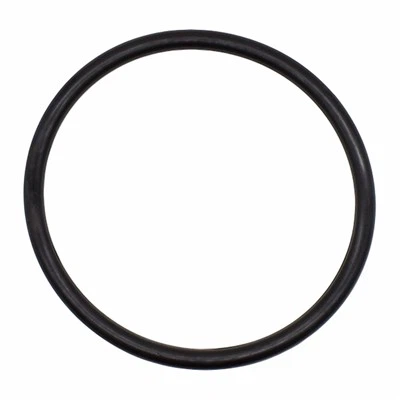
Over time, HNBR O-rings can age and become harder and more brittle. To minimize the effects of aging, store the O-rings in a cool, dry place away from direct sunlight and heat sources. Replace the O-rings at regular intervals to ensure optimal performance.
Conclusion
EPDM O Ring Troubleshooting problems with HNBR O-rings requires a systematic approach. By understanding the common problems and their causes, you can take appropriate measures to prevent and resolve these issues. As an HNBR O-ring supplier, I am committed to providing high-quality products and technical support to help you achieve optimal performance. If you are experiencing problems with your HNBR O-rings or need assistance in selecting the right O-ring for your application, please do not hesitate to contact us. We are here to help you find the best solution for your needs.
References
- "Sealing Technology Handbook" by John H. Bickford
- "Elastomer Technology Handbook" by Robert F. Ohm
- Manufacturer’s technical data sheets for HNBR O-rings
Haining Chaoyue Seals Co., Ltd.
As one of the most professional hnbr o ring manufacturers and suppliers in China, we offer a wide range of products with superior quality. Please feel free to wholesale high quality hnbr o ring made in China here from our factory. Also, custom service is available.
Address: Building 9, 158 Lianhong Road, Yuanhua Town, Jiaxing, Zhejiang, China.
E-mail: chaoyue@cyseals.com
WebSite: https://www.hncyseal.com/
