Hey there! I’m a supplier of the Dry Electrode Process, and today I want to dig into a super interesting topic: Can the Dry Electrode Process be used for magnesium – ion batteries? Dry Electrode Process

Let’s start with a bit of background. Magnesium – ion batteries have been getting a lot of buzz lately. They’ve got some real potential to be a game – changer in the energy storage world. Unlike lithium – ion batteries, which are currently the go – to for most applications, magnesium – ion batteries offer a few key advantages. Magnesium is more abundant than lithium, which means it could be a more sustainable option in the long run. It also has a higher volumetric capacity, which is great for packing more energy into a smaller space.
Now, let’s talk about the Dry Electrode Process. This is a technology that my company specializes in. The dry electrode process is all about making electrodes without using solvents. That’s a big deal because traditional electrode manufacturing methods use a lot of solvents, which can be expensive, harmful to the environment, and require a lot of energy to remove. With the dry electrode process, we can skip all that hassle.
So, can this dry electrode process be used for magnesium – ion batteries? Well, there are a few factors to consider.
First off, the materials. Magnesium – ion batteries use different electrode materials compared to lithium – ion batteries. The cathode and anode materials need to be able to reversibly store and release magnesium ions. The dry electrode process has to be able to handle these unique materials. For example, some of the cathode materials for magnesium – ion batteries are based on transition metal oxides or sulfides. These materials need to be properly mixed and formed into electrodes, and the dry electrode process has to ensure that the particles are well – distributed and have good contact with each other.
One of the big benefits of the dry electrode process in the context of magnesium – ion batteries is the ability to control the porosity of the electrodes. Porosity is crucial for magnesium – ion batteries because it affects how easily the magnesium ions can move in and out of the electrodes. With the dry electrode process, we can adjust the porosity during the manufacturing process. This means we can optimize the electrode structure to improve the battery’s performance, like its charge – discharge rate and overall capacity.
Another aspect is the scalability. The dry electrode process is highly scalable, which is a huge plus for magnesium – ion battery production. As the demand for magnesium – ion batteries grows, manufacturers will need a process that can be easily ramped up. The dry electrode process allows for continuous production, which means we can make a large number of electrodes quickly and efficiently. This is important for bringing down the cost of magnesium – ion batteries and making them more competitive in the market.
However, there are also some challenges. One of the main issues is the interface between the electrode and the electrolyte. Magnesium – ion batteries often use non – aqueous electrolytes, and the dry electrode process has to ensure that the electrode surface is compatible with these electrolytes. If the interface is not right, it can lead to poor performance, like low battery efficiency or short cycle life.
Another challenge is the formation of a solid – electrolyte interphase (SEI) layer. In lithium – ion batteries, the SEI layer plays an important role in protecting the electrode and ensuring stable battery operation. In magnesium – ion batteries, the formation of a proper SEI layer is still a bit of a mystery. The dry electrode process needs to be able to create an environment where a stable SEI layer can form.
Despite these challenges, I’m really optimistic about the potential of using the dry electrode process for magnesium – ion batteries. We’ve been doing a lot of research and development in this area, and we’ve seen some promising results. For example, we’ve been able to create electrodes with good porosity and particle distribution, which has led to improved battery performance in our lab tests.
We’re also working on improving the compatibility between the electrodes and the electrolytes. By fine – tuning the dry electrode process, we’re hoping to create a more stable interface and a better – formed SEI layer.
In the long run, if we can successfully use the dry electrode process for magnesium – ion batteries, it could have a huge impact on the energy storage industry. Magnesium – ion batteries could become a more widespread alternative to lithium – ion batteries, especially in applications where cost, sustainability, and high energy density are important.
If you’re in the business of magnesium – ion battery production or are interested in exploring this technology further, I’d love to have a chat with you. Our dry electrode process could be the key to taking your magnesium – ion battery production to the next level. Whether you’re looking to improve the performance of your batteries, reduce production costs, or make your manufacturing process more sustainable, we’ve got the expertise and technology to help.
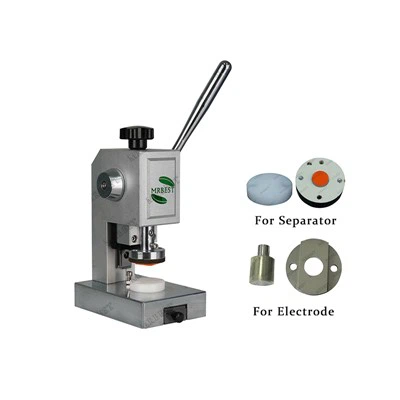
So, if you’re interested in learning more about how our dry electrode process can be used for magnesium – ion batteries, don’t hesitate to reach out. Let’s start a conversation and see how we can work together to make the future of energy storage even brighter.
Cylindrical Cell Pilot Line References
- "Magnesium – Ion Batteries: Current Status and Future Perspectives" – Journal of Power Sources
- "Advances in Dry Electrode Manufacturing for Battery Applications" – Electrochemical Society Transactions
Shenzhen Meirui Zhida Technology Co., Ltd.
Shenzhen Meirui Zhida Technology Co., Ltd. is one of the most professional dry electrode process manufacturers and suppliers in China, specialized in providing high quality products with low price. If you’re going to buy bulk discount dry electrode process made in China, welcome to get pricelist and quotation from our factory.
Address: 104 Building 6, Second Industrial Zone, Shanmen Community, Yanluo Street, Baoan District, Shenzhen China
E-mail: mrbest@szmrbest.com
WebSite: https://www.szmrbest.com/
