The stability of the Bluetooth connection in wireless headsets is a crucial aspect that significantly impacts the user experience. As a supplier of wireless Bluetooth headsets, I have witnessed firsthand the importance of this feature and the challenges that come with ensuring a reliable connection. In this blog, I will delve into the factors that affect Bluetooth connection stability, discuss the technologies and solutions we employ to enhance it, and share some tips for users to optimize their Bluetooth experience. Wireless Bluetooth Headsets

Factors Affecting Bluetooth Connection Stability
Interference
One of the primary factors that can disrupt Bluetooth connections is interference from other wireless devices. Bluetooth operates in the 2.4 GHz frequency band, which is also used by Wi-Fi routers, microwave ovens, and other common household electronics. When multiple devices operate in the same frequency range, they can interfere with each other, leading to signal degradation and connection drops.
Distance
The distance between the headset and the connected device is another critical factor. Bluetooth technology has a limited range, typically around 10 meters (33 feet). As the distance increases, the signal strength weakens, making the connection more susceptible to interference and drops. Obstacles such as walls and furniture can also impede the signal, further reducing the effective range.
Power Consumption
Bluetooth headsets rely on battery power, and the power consumption of the device can affect the stability of the connection. If the battery is low, the headset may not be able to maintain a strong signal, leading to intermittent connectivity issues. Additionally, some headsets may enter a power-saving mode when the battery is low, which can further reduce the connection quality.
Device Compatibility
Not all devices are created equal, and compatibility issues can also cause problems with Bluetooth connections. Some older devices may not support the latest Bluetooth standards, which can result in slower data transfer rates and less stable connections. Additionally, certain devices may have driver or firmware issues that can prevent them from connecting properly to Bluetooth headsets.
Technologies and Solutions for Enhancing Bluetooth Connection Stability
Bluetooth Version
The latest Bluetooth standards offer significant improvements in connection stability and performance. Bluetooth 5.0 and later versions support features such as increased range, higher data transfer rates, and better coexistence with other wireless technologies. By using headsets that support the latest Bluetooth standards, users can enjoy a more stable and reliable connection.
Antenna Design
The design of the antenna in a Bluetooth headset plays a crucial role in its ability to receive and transmit signals. A well-designed antenna can help to improve the signal strength and reduce interference, resulting in a more stable connection. At our company, we invest in research and development to optimize the antenna design of our headsets, ensuring that they provide the best possible performance.
Adaptive Frequency Hopping (AFH)
Adaptive Frequency Hopping is a technology that allows Bluetooth devices to avoid interference by automatically switching to a different frequency channel when they detect interference on the current channel. This helps to maintain a stable connection even in environments with high levels of interference. Our headsets are equipped with AFH technology, which enables them to adapt to changing conditions and provide a reliable connection.
Dual-Mode Connectivity
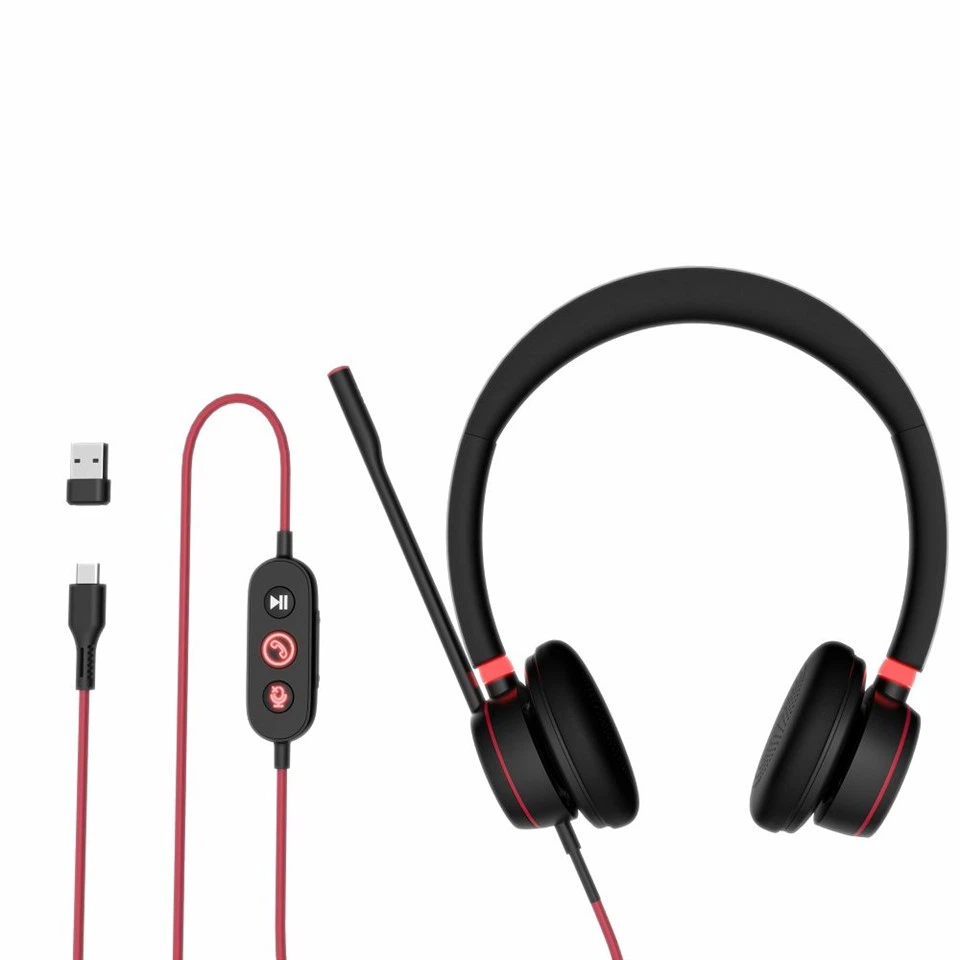
Some of our headsets support dual-mode connectivity, which means they can connect to devices using both Bluetooth and a wired connection. This provides users with an alternative option in case the Bluetooth connection is unstable or unavailable. Dual-mode connectivity also allows users to switch between different devices quickly and easily, without having to disconnect and reconnect the headset.
Tips for Users to Optimize Their Bluetooth Experience
Keep Devices Close
To ensure a stable Bluetooth connection, it is recommended to keep the headset and the connected device within close proximity. As mentioned earlier, the effective range of Bluetooth is typically around 10 meters, so try to stay within this range to avoid signal degradation.
Avoid Interference
Minimize the use of other wireless devices in the vicinity of the headset, especially those that operate in the 2.4 GHz frequency band. This includes Wi-Fi routers, microwave ovens, and cordless phones. If possible, move the headset and the connected device away from sources of interference to improve the connection quality.
Keep the Battery Charged
Make sure to keep the battery of the headset fully charged to ensure optimal performance. Low battery levels can cause the headset to enter a power-saving mode, which can reduce the connection quality. It is also a good idea to carry a portable charger with you, especially if you plan to use the headset for an extended period of time.
Update Device Firmware
Regularly update the firmware of your headset and the connected device to ensure that they are running the latest software version. Firmware updates often include bug fixes and performance improvements that can enhance the stability of the Bluetooth connection.
Check Device Compatibility
Before purchasing a Bluetooth headset, make sure that it is compatible with your device. Check the device’s specifications to ensure that it supports the latest Bluetooth standards and that it is compatible with the type of headset you are interested in. If you are experiencing compatibility issues, try resetting the Bluetooth settings on your device or contacting the manufacturer for support.
Conclusion
The stability of the Bluetooth connection in wireless headsets is a critical factor that can significantly impact the user experience. By understanding the factors that affect Bluetooth connection stability and implementing the technologies and solutions discussed in this blog, we are able to provide our customers with high-quality headsets that offer a reliable and stable connection. As a wireless Bluetooth headset supplier, we are committed to continuously improving our products and services to meet the evolving needs of our customers.
Wired Noise Cancelling Headsets If you are interested in learning more about our wireless Bluetooth headsets or would like to discuss potential procurement opportunities, please do not hesitate to contact us. We look forward to the opportunity to serve you and provide you with the best wireless audio solutions.
References
- Bluetooth Special Interest Group. (n.d.). Bluetooth Technology Basics. Retrieved from Bluetooth.com
- International Telecommunication Union. (n.d.). Radio Regulations. Retrieved from ITU
- TechTarget. (n.d.). Adaptive Frequency Hopping (AFH). Retrieved from SearchNetworking
Huizhou Boxin Electronics Co., Ltd.
We’re well-known as one of the leading wireless bluetooth headsets manufacturers and suppliers in China since 1989, also support customized service. With abundant experience, we warmly welcome you to wholesale high quality wireless bluetooth headsets made in China here from our factory.
Address: No.01, 7/F, 5#, Factory 5# and 6#, Phase l, Lechuangcheng, No.8, Renluo 6th Road, Shuikou Street, Huicheng Distriet, Huizhou City, Guangdong Province, P. R. China.
E-mail: Info@ucheadset.com
WebSite: https://www.boxinheadsets.com/
