Is the Clutch Master Cylinder the Same in All Manual Transmission Vehicles?
As a supplier of clutch master cylinders, I’ve encountered numerous inquiries from automotive enthusiasts, mechanics, and even some vehicle owners regarding the universality of clutch master cylinders across all manual transmission vehicles. This topic is not only relevant for those in the automotive repair and maintenance industry but also for consumers looking to replace or upgrade their vehicle’s clutch master cylinders. In this blog post, I’ll delve into this question, exploring the factors that determine the similarities and differences among clutch master cylinders in various manual transmission vehicles. Clutch Master Cylinder
Understanding the Clutch Master Cylinder
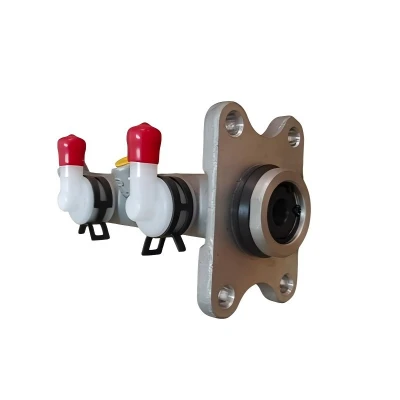
Before we discuss the differences or similarities, it’s essential to understand what a clutch master cylinder is and how it functions. The clutch master cylinder is a crucial component in the hydraulic clutch system of a manual transmission vehicle. Its primary role is to convert the mechanical force exerted by the driver when pressing the clutch pedal into hydraulic pressure. This hydraulic pressure is then transmitted through the clutch hydraulic line to the clutch slave cylinder, which in turn disengages the clutch, allowing the driver to change gears smoothly.
The basic design of a clutch master cylinder consists of a cylindrical bore, a piston, a reservoir for brake fluid, and various seals and valves. When the clutch pedal is depressed, the piston in the master cylinder moves forward, pressurizing the brake fluid in the bore. This pressurized fluid then flows through the hydraulic line to the slave cylinder. When the driver releases the clutch pedal, a return spring inside the master cylinder pushes the piston back to its original position, releasing the hydraulic pressure and engaging the clutch.
Factors Affecting the Design of Clutch Master Cylinders
Several factors determine the design and specifications of a clutch master cylinder, which is why they are not the same in all manual transmission vehicles.
1. Vehicle Make and Model
Different vehicle manufacturers have unique design philosophies and engineering requirements. Each make and model of a manual transmission vehicle is designed with specific engine power, torque, gear ratios, and clutch characteristics in mind. For example, a high – performance sports car with a powerful engine will require a clutch master cylinder capable of generating higher hydraulic pressure to disengage a heavier and more robust clutch. On the other hand, a compact economy car may have a less powerful engine and a lighter clutch, necessitating a clutch master cylinder with lower pressure requirements.
2. Clutch Size and Type
The size and type of the clutch used in a vehicle also play a significant role in determining the clutch master cylinder’s design. Clutches come in various sizes, from small single – plate clutches used in lightweight vehicles to large multi – plate clutches in heavy – duty trucks and performance cars. A larger clutch generally requires more force to disengage, which means the clutch master cylinder needs to be able to generate a higher level of hydraulic pressure. Additionally, different clutch types, such as sintered metal clutches or organic clutches, have different friction characteristics and may require different amounts of force to operate smoothly.
3. Manual Transmission Design
The design of the manual transmission itself can influence the requirements for the clutch master cylinder. Some manual transmissions have a longer or shorter gear shift travel, which can affect the amount of clutch disengagement needed. For example, a transmission with a short – throw shifter may require a more precise and responsive clutch actuation, which can be achieved through a specially designed clutch master cylinder. Moreover, transmissions with different gear ratios may place different demands on the clutch, and the master cylinder needs to be designed to accommodate these variations.
4. Hydraulic System Requirements
The overall hydraulic system of the vehicle, including the size and length of the hydraulic lines, the type of brake fluid used, and the design of the clutch slave cylinder, also affects the design of the clutch master cylinder. A longer hydraulic line may result in a greater loss of hydraulic pressure, so the master cylinder may need to be designed to generate a higher initial pressure to compensate. Similarly, different brake fluids have different viscosity and compressibility properties, which can impact the performance of the clutch master cylinder.
Differences in Clutch Master Cylinders
Due to the factors mentioned above, there are significant differences in clutch master cylinders across different manual transmission vehicles.
1. Bore Size
One of the most apparent differences is the bore size of the clutch master cylinder. The bore size determines the amount of fluid that can be displaced by the piston when the clutch pedal is depressed. A larger bore size can generate more hydraulic pressure but may require more force to operate the clutch pedal. Conversely, a smaller bore size may result in lower pressure but a lighter pedal feel. Performance vehicles often have larger bore clutch master cylinders to provide the necessary pressure for quick and efficient clutch disengagement under high – load conditions, while economy cars may have smaller bore cylinders for a more comfortable driving experience.
2. Reservoir Capacity
The reservoir capacity of the clutch master cylinder can also vary. Vehicles with larger clutches or more complex hydraulic systems may require a larger reservoir to ensure an adequate supply of brake fluid. This is especially important in applications where the clutch is frequently engaged and disengaged, such as in stop – and – go traffic or during high – performance driving.
3. Mounting Design
The mounting design of the clutch master cylinder is another area where differences can be observed. Different vehicle makes and models have unique mounting configurations to accommodate the layout of the engine compartment and the surrounding components. This means that clutch master cylinders need to be designed to fit specific mounting points, which can vary in terms of size, shape, and location.
4. Valve and Seal Design
The valves and seals inside the clutch master cylinder are critical for its proper functioning. Different vehicles may require different valve and seal designs to ensure reliable operation and prevent fluid leakage. For example, in a high – temperature environment, the seals need to be made of materials that can withstand the heat without deforming or losing their sealing properties.
Exceptions and Standardization
While there are many differences in clutch master cylinders across manual transmission vehicles, there are also some exceptions and instances of standardization. Some automotive manufacturers may use common components across different models or vehicle platforms to reduce costs and simplify production. For example, a manufacturer may use the same clutch master cylinder in a range of compact cars or entry – level vehicles within the same product line. Additionally, there are some industry standards and specifications for certain aspects of clutch master cylinders, such as the type of brake fluid they can use. These standards help to ensure compatibility and reliability within the automotive industry.
Quality and Compatibility as a Supplier
As a clutch master cylinder supplier, ensuring the quality and compatibility of our products is of utmost importance. We invest a significant amount of time and resources in research and development to understand the specific requirements of different vehicle makes and models. Our engineering team works closely with automotive manufacturers and aftermarket companies to design and produce clutch master cylinders that meet or exceed the original equipment specifications.
We also conduct rigorous testing on our products to ensure their performance, durability, and reliability. This includes pressure testing, leakage testing, and cyclic testing to simulate real – world driving conditions. By providing high – quality clutch master cylinders that are precisely designed for specific vehicles, we aim to offer our customers a hassle – free replacement and upgrade experience.
Why Choose Our Clutch Master Cylinders?
Our clutch master cylinders are crafted with precision and built to last. We use only the highest – quality materials, including durable metals and advanced rubber compounds for seals, to ensure long – term performance. Our products are designed to provide a smooth and consistent clutch pedal feel, allowing for seamless gear changes.
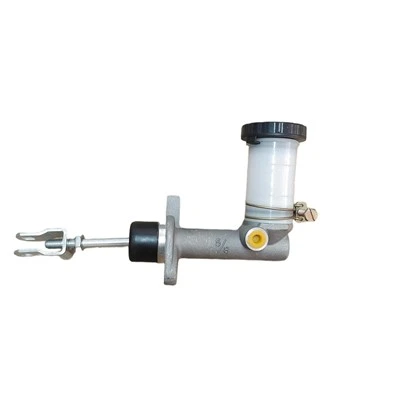
Moreover, we offer a wide range of clutch master cylinders for different makes and models of manual transmission vehicles. Whether you own a classic car, a modern sports car, or a heavy – duty truck, we have the right solution for you. Our team of experts is always available to provide technical support and assistance, helping you choose the most suitable clutch master cylinder for your vehicle.
Contact Us for Your Clutch Master Cylinder Needs
Clutch Master Cylinder If you’re in the market for a reliable and high – quality clutch master cylinder for your manual transmission vehicle, look no further. We are committed to providing the best products and services to our customers. Whether you’re an auto repair shop, a vehicle enthusiast, or a distributor, we’d love to discuss your requirements. Please contact us to start a conversation about your clutch master cylinder needs, and let’s work together to find the perfect solution for your vehicle.
References
- Automotive Engineering Handbook, Third Edition
- Society of Automotive Engineers (SAE) technical papers on clutch systems
- Literature from major vehicle manufacturers on their manual transmission and clutch designs
Ruian Xinyao Automobile Parts Co., Ltd.
With abundant experience, we are one of the most professional clutch master cylinder manufacturers and suppliers in China. We warmly welcome you to wholesale bulk advanced clutch master cylinder from our factory. If you have any enquiry about cooperation, please feel free to email us.
Address: Xialin Industrial Zone, Tangxia Town, Ruian City,Wenzhou City,Zhejiang Province,China
E-mail: 18969725686@163.com
WebSite: https://www.raxinyao.com/
