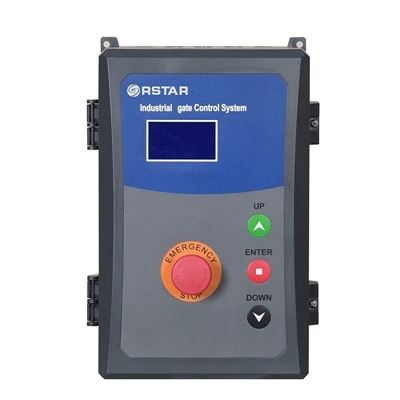
Hey there! I’m a supplier of industrial fan regulators, and I know how confusing it can be to pick the right one. It’s not just about slapping any old regulator on your fan and hoping for the best. There are tons of factors to consider, from the type of fan you’ve got to the environment it’ll be running in. So, let’s break it down and make the decision a whole lot easier. Industrial Fan Regulator
First Things First: Know Your Fan
The first step in choosing the right industrial fan regulator is understanding the fan it’ll be paired with. Different fans have different power requirements, motor types, and operational characteristics. For instance, if you’ve got a high – powered centrifugal fan that’s used in a large industrial setting, it’ll need a regulator that can handle a substantial amount of current. These big fans are often used for ventilation in factories or warehouses, and they can draw a lot of juice.
On the other hand, an axial fan, which is commonly used for cooling in smaller spaces or for equipment cooling, might not need as beefy of a regulator. Axial fans move air parallel to the axis of the fan blade, and they generally have lower power demands compared to centrifugal fans.
You also need to know the motor type of your fan. Is it a single – phase motor or a three – phase motor? Single – phase motors are typically used in smaller applications, like small workshops or home – based industries. Three – phase motors are more commonly found in larger industrial settings because they’re more efficient and can handle higher loads. A regulator designed for a single – phase motor won’t work well with a three – phase motor and vice versa.
Consider the Environment
The environment where the fan and regulator will be operating is another crucial factor. If the fan is going to be used in a dusty or dirty environment, you’ll need a regulator that’s well – protected. Dust and debris can get into the regulator and cause malfunctions over time. Look for regulators that have a good IP (Ingress Protection) rating. An IP rating tells you how well the device is protected against solids and liquids. For a dusty environment, a rating like IP5X or higher would be ideal. The first digit (in this case, 5) indicates the level of protection against solids, with 5 meaning it’s protected against most dust.
If the fan is going to be used in a wet or humid environment, such as a car wash or a food processing plant, you need a regulator with an even higher level of water resistance. An IP67 or IP68 rating would be great. These ratings mean that the regulator is dust – tight and can withstand immersion in water to a certain depth and for a specific period.
Temperature can also affect the performance of a regulator. In high – temperature environments, like a foundry or a glass – making plant, the regulator needs to be able to operate without overheating. Some regulators come with built – in thermal protection, which is really handy in these situations. It’ll automatically shut off the regulator if it gets too hot, preventing damage.
Think About Speed Control
One of the main functions of an industrial fan regulator is to control the speed of the fan. There are different ways to do this, and each method has its pros and cons.
The most basic type of speed control is on/off control. This is pretty self – explanatory. You either turn the fan on or off. It’s cheap and simple, but it doesn’t give you much flexibility. You can’t adjust the fan speed to suit different needs.
Then there’s stepped speed control. With this method, the regulator offers a few pre – set speeds, like low, medium, and high. It’s a bit more flexible than on/off control, but you’re still limited to those specific speeds.
The most advanced type of speed control is variable speed control. This allows you to adjust the fan speed continuously, giving you precise control over the airflow. Variable speed control is great for applications where you need to fine – tune the ventilation or cooling. For example, in a hospital operating room, you need to maintain a very specific airflow rate to keep the environment sterile. Variable speed regulators are more expensive than the other types, but the extra cost is often worth it for the added functionality.
Power Requirements
The power rating of the regulator is super important. It needs to match the power requirements of the fan. If you choose a regulator with a lower power rating than the fan needs, it’ll overheat and could even fail. On the other hand, if you go for a regulator with a much higher power rating than necessary, you’re wasting money and potentially taking up more space than you need.
To determine the right power rating, you need to know the voltage and current requirements of your fan. Check the fan’s nameplate for this information. The nameplate will also tell you the maximum power the fan can draw. Make sure the regulator you choose can handle at least that much power.
Ease of Use and Installation
Let’s face it, nobody wants to spend hours installing a complicated regulator. Look for a regulator that’s easy to install and operate. Some regulators come with detailed installation instructions and even online tutorials. That’s a huge plus, especially if you’re not an electrical expert.
The controls on the regulator should also be user – friendly. You don’t want to have to squint at tiny buttons or read a long manual just to adjust the fan speed. A simple and intuitive control panel makes life a whole lot easier.
Reliability and Durability
An industrial fan regulator is an investment, and you want it to last. Look for regulators made from high – quality materials and with a good reputation for reliability. Read reviews from other customers to see what they have to say about the regulator’s performance and longevity.
Regulators with a long warranty are also a good sign. It shows that the manufacturer is confident in their product. A warranty of at least a couple of years is ideal. That way, if something goes wrong, you’re covered.
Cost
Cost is always a factor when making a purchase. But remember, the cheapest option isn’t always the best. You need to balance the cost with the features and quality of the regulator. Sometimes, spending a bit more upfront can save you money in the long run by avoiding frequent replacements and repairs.
Get quotes from different suppliers and compare them. Look at the total cost of ownership, which includes the purchase price, installation costs, and maintenance costs over the lifespan of the regulator.
Making the Final Decision

After considering all these factors, you should have a pretty good idea of what kind of industrial fan regulator you need. Take your time to evaluate different options and don’t be afraid to ask questions. If you’re still unsure, you can always reach out to an expert for advice.
Stretch Wrapper Control System As an industrial fan regulator supplier, I’m here to help make this process as smooth as possible for you. If you’re interested in purchasing a regulator, I’d love to have a chat with you. Whether you need help choosing the right model or have any other questions, just let me know. We can discuss your specific requirements and find the perfect fit for your needs. Don’t hesitate to reach out for a friendly chat and start your journey towards better ventilation and fan control.
References
- Industry – standard electrical engineering handbooks
- Manufacturer specifications of various industrial fan regulators
- Customer reviews and feedback on industrial fan regulators
Wuxi Rstar Electric Co., Ltd.
With abundant experience, we are one of the most professional industrial fan regulator manufacturers and suppliers in China. Welcome to wholesale bulk customized industrial fan regulator at competitive price from our factory. If you have any enquiry about quotation, please feel free to email us.
Address: 9th Floor, Building 9, Shengfeng Lianzhi Valley, No.67 Zhujiang Road, Xinwu District, Wuxi City
E-mail: rstarbz@163.com
WebSite: https://www.rstar-wx.com/
