Condition-based maintenance (CBM) is a proactive maintenance strategy that monitors the actual condition of equipment to determine when maintenance should be performed. For auxiliary machinery, which plays a crucial role in various industrial processes, implementing effective CBM techniques can significantly enhance reliability, reduce downtime, and cut maintenance costs. As an auxiliary machinery supplier, I have witnessed firsthand the transformative impact of CBM on the performance and longevity of our products. In this blog post, I will delve into the key CBM techniques for auxiliary machinery and explain how they can benefit your operations. Auxiliary Machinery
Vibration Analysis
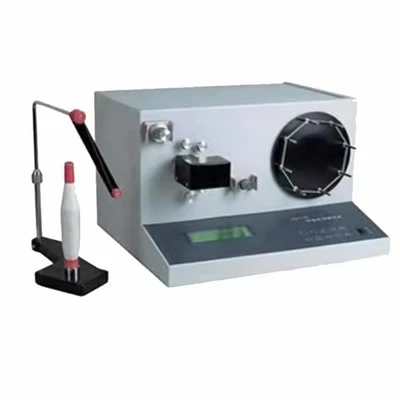
Vibration analysis is one of the most widely used CBM techniques for auxiliary machinery. It involves measuring the vibration levels and frequencies of the equipment to detect any signs of abnormal operation. By analyzing the vibration patterns, maintenance personnel can identify potential issues such as misalignment, imbalance, bearing wear, and gear damage before they escalate into major problems.
There are several methods for conducting vibration analysis, including time-domain analysis, frequency-domain analysis, and envelope analysis. Time-domain analysis involves analyzing the raw vibration signal to identify any sudden changes or spikes in the vibration levels. Frequency-domain analysis, on the other hand, converts the time-domain signal into the frequency domain using techniques such as the Fast Fourier Transform (FFT) to identify the specific frequencies associated with different types of faults. Envelope analysis is a specialized form of frequency-domain analysis that is particularly useful for detecting early signs of bearing damage.
To perform vibration analysis, a vibration sensor is typically installed on the auxiliary machinery at a strategic location. The sensor measures the vibration levels and transmits the data to a monitoring system, which analyzes the data in real-time and alerts maintenance personnel if any异常 conditions are detected. By regularly monitoring the vibration levels of the equipment, maintenance personnel can schedule maintenance activities based on the actual condition of the machinery, rather than relying on fixed maintenance schedules.
Oil Analysis
Oil analysis is another important CBM technique for auxiliary machinery that uses oil as a lubricant. It involves analyzing the physical and chemical properties of the oil to detect any signs of wear, contamination, or degradation. By monitoring the condition of the oil, maintenance personnel can identify potential issues such as excessive wear, coolant leakage, and oxidation before they cause damage to the equipment.
There are several methods for conducting oil analysis, including spectroscopy, particle counting, and viscosity analysis. Spectroscopy involves analyzing the elemental composition of the oil to identify the presence of wear metals, contaminants, and additives. Particle counting measures the size and number of particles in the oil to detect any signs of abnormal wear or contamination. Viscosity analysis measures the resistance of the oil to flow to determine its lubricating properties and to detect any signs of degradation.
To perform oil analysis, a sample of the oil is typically taken from the auxiliary machinery at regular intervals. The sample is then sent to a laboratory for analysis, where it is subjected to a series of tests to determine its physical and chemical properties. The results of the analysis are then used to evaluate the condition of the equipment and to determine if any maintenance activities are required.
Thermography
Thermography is a non-invasive CBM technique that uses infrared cameras to detect and measure the thermal patterns of auxiliary machinery. It is based on the principle that all objects emit infrared radiation, and the intensity of the radiation is directly proportional to the temperature of the object. By using an infrared camera to detect the infrared radiation emitted by the equipment, maintenance personnel can identify any areas of excessive heat or temperature variation, which may indicate potential issues such as electrical faults, mechanical problems, or fluid leaks.
Thermography is particularly useful for detecting issues in electrical systems, as electrical faults often generate heat. By detecting the heat generated by electrical faults early on, maintenance personnel can take corrective action before the faults cause a fire or other serious damage. Thermography can also be used to detect issues in mechanical systems, such as bearing wear, misalignment, and friction, as these issues often result in increased heat generation.
To perform thermography, an infrared camera is typically used to scan the auxiliary machinery. The camera captures the infrared radiation emitted by the equipment and converts it into a thermal image, which shows the temperature distribution of the equipment. The thermal image is then analyzed to identify any areas of excessive heat or temperature variation. If any异常 areas are detected, maintenance personnel can investigate further to determine the cause of the problem and take appropriate corrective action.
Ultrasonic Testing
Ultrasonic testing is a non-destructive CBM technique that uses high-frequency sound waves to detect and evaluate the internal structure of auxiliary machinery. It is based on the principle that sound waves can travel through solid materials and reflect off internal flaws or boundaries. By analyzing the reflected sound waves, maintenance personnel can detect the presence of internal flaws such as cracks, voids, and corrosion in the equipment.
There are several methods for conducting ultrasonic testing, including pulse-echo testing, through-transmission testing, and phased-array testing. Pulse-echo testing involves sending a short burst of ultrasonic waves into the equipment and analyzing the reflected waves to detect any internal flaws. Through-transmission testing involves sending ultrasonic waves through the equipment from one side and receiving the waves on the other side to detect any internal flaws that may cause a reduction in the sound wave intensity. Phased-array testing is a more advanced form of ultrasonic testing that uses multiple ultrasonic transducers to generate and control the direction and shape of the sound waves, allowing for more detailed and accurate inspection of the equipment.
To perform ultrasonic testing, an ultrasonic transducer is typically used to send ultrasonic waves into the auxiliary machinery. The transducer is placed in contact with the surface of the equipment, and the ultrasonic waves are transmitted into the equipment. The reflected waves are then detected by the transducer and analyzed to determine the presence and location of any internal flaws. If any flaws are detected, maintenance personnel can take appropriate corrective action to prevent further damage to the equipment.
Motor Current Signature Analysis (MCSA)
Motor current signature analysis (MCSA) is a CBM technique that analyzes the electrical current drawn by an electric motor to detect any signs of abnormal operation. It is based on the principle that the electrical current drawn by a motor is directly related to its mechanical load and operating conditions. By analyzing the current signature of the motor, maintenance personnel can identify potential issues such as mechanical faults, electrical faults, and bearing wear.
MCSA involves measuring the electrical current drawn by the motor and analyzing the frequency components of the current signal. Any changes in the frequency components of the current signal may indicate the presence of a fault or abnormality in the motor. For example, a change in the frequency of the current signal may indicate the presence of a mechanical fault, such as misalignment or imbalance, while a change in the amplitude of the current signal may indicate the presence of an electrical fault, such as a short circuit or a ground fault.
To perform MCSA, a current sensor is typically installed on the motor to measure the electrical current drawn by the motor. The current sensor is connected to a monitoring system, which analyzes the current signal in real-time and alerts maintenance personnel if any异常 conditions are detected. By regularly monitoring the current signature of the motor, maintenance personnel can schedule maintenance activities based on the actual condition of the motor, rather than relying on fixed maintenance schedules.
Benefits of Implementing CBM Techniques for Auxiliary Machinery
Implementing CBM techniques for auxiliary machinery offers several benefits, including:
- Improved Reliability: By detecting potential issues early on, CBM techniques can help prevent unexpected breakdowns and downtime, improving the reliability of the auxiliary machinery.
- Reduced Maintenance Costs: CBM techniques allow maintenance personnel to schedule maintenance activities based on the actual condition of the equipment, rather than relying on fixed maintenance schedules. This can help reduce maintenance costs by avoiding unnecessary maintenance and extending the lifespan of the equipment.
- Enhanced Safety: CBM techniques can help detect potential safety hazards, such as electrical faults and mechanical problems, before they cause an accident or injury. This can help improve the safety of the workplace and reduce the risk of costly lawsuits.
- Increased Productivity: By reducing downtime and improving the reliability of the auxiliary machinery, CBM techniques can help increase productivity and efficiency, allowing businesses to meet their production targets and deadlines.
Conclusion
As an auxiliary machinery supplier, I understand the importance of implementing effective CBM techniques to ensure the reliability and performance of our products. By using techniques such as vibration analysis, oil analysis, thermography, ultrasonic testing, and motor current signature analysis, maintenance personnel can detect potential issues early on and take appropriate corrective action to prevent unexpected breakdowns and downtime. This can help improve the reliability, reduce the maintenance costs, enhance the safety, and increase the productivity of the auxiliary machinery.
Textile Machinery If you are interested in learning more about our auxiliary machinery products and services, or if you have any questions about implementing CBM techniques for your equipment, please feel free to contact us. We would be happy to discuss your specific needs and requirements and to provide you with a customized solution that meets your budget and expectations.
References
- Randall, R. B., & Antoni, J. (2011). Rolling element bearing diagnostics – a tutorial. Mechanical Systems and Signal Processing, 25(2), 485-520.
- Wang, A., & McFadden, P. D. (1995). Vibration analysis of a gearbox using the wavelet transform. Mechanical Systems and Signal Processing, 9(1), 23-38.
- Smid, M., & Ambrožič, I. (2013). Thermography in electrical systems – a review. NDT&E International, 56, 17-25.
- Bray, D. E., & Stanley, R. K. (1989). Nondestructive testing techniques handbook. Amsco Publishing.
- Kliman, G. B., Mathews, K. P., Strangas, E. G., & Vrancic, M. (1996). A review of motor-signature analysis as a technique for detecting electrical and mechanical faults in induction motors. IEEE Industry Applications Magazine, 2(4), 10-21.
Shandong Hongye Machinery Co., Ltd.
Shandong Hongye Machinery Co., Ltd. is one of the most professional auxiliary machinery manufacturers and suppliers in China, featured by quality products and low price. Please rest assured to buy advanced auxiliary machinery in stock here and get quotation from our factory. Also, 1 year warranty is available.
Address: Room 1104, Building No. 2, Haier Yunjie, No. 99 Chongqing South Road, Qingdao, China
E-mail: sales@seavincn.com
WebSite: https://www.sdhymachinery.com/
